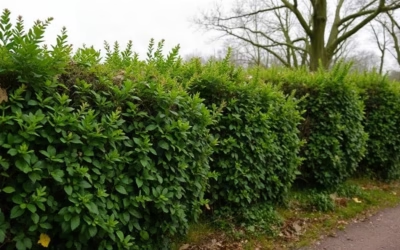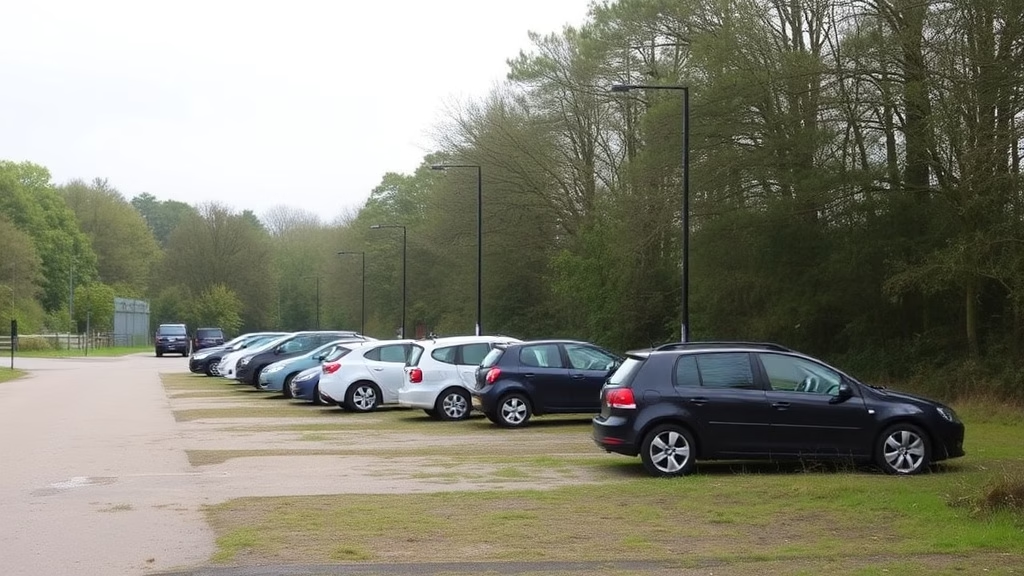
A comprehensive survey of Britain’s rewilding initiatives has confirmed that the overwhelming majority now consist of approximately forty square metres of unmown grass positioned between a car park and a visitor centre that serves locally sourced sourdough.
The National Rewilding Assessment, conducted by the Department for Environment, Food and Rural Affairs over eighteen months, found that 87 per cent of sites designated as rewilded nature recovery zones featured at least one interpretive panel explaining why the nettles were there on purpose, and 94 per cent were within a hundred metres of somewhere selling flapjacks for four pounds twenty.
“We’ve created a genuinely biodiverse habitat,” said Claire Hendricks, site manager at Meadowview Nature Recovery Park in Gloucestershire, gesturing towards a patch of dandelions that would once have been strimmed weekly. “Last Tuesday, someone saw a red admiral. Obviously, we’ve installed additional benches so people can observe the rewilding process in comfort, and the gift shop stocks three types of wildflower seeds in recyclable packaging.”
The site, which received two hundred thousand pounds in corporate sponsorship from a building society keen to demonstrate its environmental credentials, features a carefully unmanaged verge bordered by fresh tarmac, seventeen informational QR codes, and what Ms Hendricks described as “a thoughtfully positioned log pile that serves as both invertebrate habitat and informal seating”.
Critics have suggested that Britain’s approach to rewilding bears little resemblance to allowing nature to recover without human intervention. The criticism appears to have been anticipated. Every rewilding project surveyed included at least one laminated sign explaining that rewilding does not mean untidy, it means ecologically considered scruffiness, and that the area is monitored daily by volunteers in hi-vis vests.
“People have got completely the wrong idea about what we’re doing,” said Graham Butterfield, coordinator of the Wessex Wildlands Initiative, which has rewilded a former bowling green by letting the grass reach six inches before installing a disabled-access path through the middle of it. “This isn’t about abandoning land. It’s about creating spaces where nature can thrive under appropriate supervision, with adequate provision for coach parties and contactless payment for the toilet facilities.”
The assessment found that the wildest creature recorded across all sites was a muntjac deer that had wandered into the car park at a rewilding project in Berkshire, causing the temporary closure of the site while a risk assessment was completed. The deer left before the assessment was finished.
Several rewilding projects have recently installed outdoor pizza ovens, which project managers insist are heated using only sustainably sourced wood and represent an important revenue stream for ongoing conservation work. The pizzas are described on menu boards as having been inspired by ancient grazing patterns, though this appears to refer mainly to the rocket.