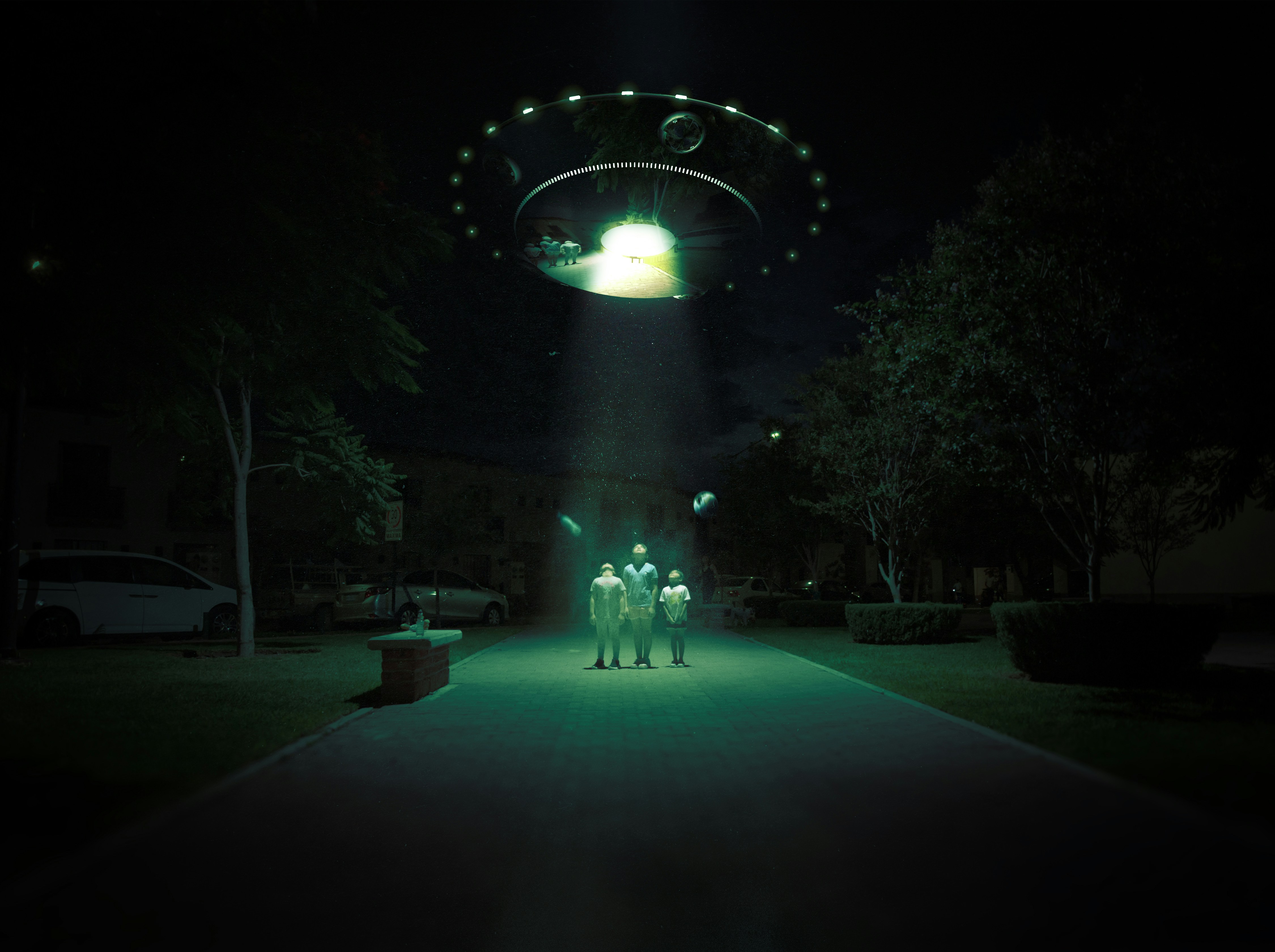
Incredible Offer Unveiled: Moon for Rent
In an unprecedented and rather whimsical announcement, the UK government revealed a surprising proposal: the moon is up for rent to extraterrestrial beings. This eccentric declaration has sparked widespread amusement and interest across various sectors of society, with many pondering the rationale behind such a peculiar economic strategy. During an unusually lively parliamentary session, government representatives explained their intentions, asserting that this bold initiative was not merely a gesture of goodwill, but a unique opportunity to enhance the country’s financial standing.
The notion of renting the moon to aliens is steeped in absurdity, yet it is presented with a facade of earnestness by officials. As they elaborated on the terms and conditions of this cosmic rental agreement, they humorously outlined proposals including interstellar taxes, lease duration, and environmental considerations, all adding layers of comedy to an already outlandish proposition. It is as if the government is not only inviting extraterrestrial visitation but also preparing to integrate these otherworldly beings into a regulated economic framework.
This charmingly surreal development raises several questions about the implications and feasibility of such an offer. How would the government enforce compliance from extraterrestrial entities? What mechanisms would be put in place to ensure that galactic renters adhere to the terms of their lease? These queries highlight the whimsical nature of the announcement which, while clearly anchored in satire, also reflects a growing societal fascination with the possibility of alien life.
No matter the intent behind this extraordinary claim, the idea of the moon being up for rent provides a captivating glimpse into the imaginative potential of political discourse. As the world grapples with pressing issues on Earth, the UK government’s playful offer adds a touch of light-heartedness, proving that even in the realm of serious politics, humor can simultaneously entertain and provoke thought.
Public Reactions: From Laughter to Outrage
The announcement by the UK government to rent out a moon, possibly to extraterrestrial beings, has elicited a wide range of reactions from the public. Many citizens took to social media platforms to express their disbelief, amusement, and even concern regarding the decision. A notable quote from a local resident encapsulated the sentiment of many: “I can’t believe we’re at a point where renting the moon is a serious conversation. What’s next?” This humorous remark highlights the absurdity that individuals feel about the situation.
In addition, the viral nature of the announcement has spurred a considerable amount of satirical commentary from social media influencers. Influencers have created memes that poke fun at the government’s approach, depicting potential alien tenants as quirky characters with extravagant demands. One widely shared meme illustrates an alien family examining the rental contract, only to find a “no pets” clause, which generated laughs but also emphasized the surrealism of the notion of renting space to beings from another world. These humorous perspectives have resonated widely, turning a governmental decision into a source of entertainment.
Reacting to the matter, politicians have also chimed in, with reactions that vary from bemusement to outright criticism. A member of parliament was quoted saying, “This is not the serious governance the public expected. We have pressing issues on Earth, and the prospect of moon rentals is downright irresponsible.” This illustrates the spectrum of reactions, revealing that while some find humor in it, others are concerned about the gravity of government priorities.
Ultimately, the public’s reaction to this unconventional decision highlights the blend of amusement, bewilderment, and disbelief felt by many. By capturing these varied responses, the discourse surrounding the government’s decision becomes rich and multifaceted, reflecting a society that grapples with the intersection of reality and the absurd.
Economics of Extraterrestrial Rental Space: A Comedic Analysis
In a move reminiscent of whimsical science fiction, the notion of the UK government offering rental agreements to extraterrestrials encapsulates a unique blend of humor and economic speculation. With the recent flirtation with the idea of charging aliens for moon viewing rights, we can only imagine the potential revenue streams that could arise from such cosmic commerce. The proposed rental rates would undoubtedly be a point of contention, as negotiating lease agreements with beings from another planet presents its own set of challenges—primarily, the inability to read their extraterrestrial body language.
In an economy looking to widen its tax base, a ‘moon tax’ could be levied on those renting space rocks, generated from aliens who find Earth’s lunar vistas picturesque. Perhaps tax brackets would be cleverly tiered; for instance, the more advanced the alien civilization, the higher the rent calculated per purple Martian square foot. Imaginary rental agreements are an amusing prospect—dotted with clauses about intergalactic interference and restrictions on mining precious space minerals during peak alien-exploration seasons.
Furthermore, the concept of extending public services to alien inhabitants raises delightful questions. Would there be an intergalactic trash collection service for visiting extraterrestrials? Perhaps Earth-based companies would happily venture into satellite TV subscriptions aimed at alien clientele, such as providing a comprehensive package of cosmic entertainment featuring ‘Galactic Dancing with the Stars’ or ‘The Milky Way’s Got Talent.’ The absurdity of this scenario encourages us to think creatively about our future interactions with outer space entities.
As humorous as this analysis may be, it sends a more profound message about how we view our own economic structures and interactions with the universe at large. By contemplating the economics of extraterrestrial rental space, we might just inspire a new narrative about resource management and cosmic relationships.
Concluding Thoughts: Is This the Future of Space Relationships?
The recent announcement by the UK government to rent out space rocks to extraterrestrial entities has generated both laughter and intrigue, provoking a wave of discussions about the implications of such a unique proposition. While the idea may initially sound farcical, it serves as a catalyst for deeper contemplation regarding humanity’s relationship with space and potentially intelligent life beyond our planet. The concept challenges the boundaries of traditional diplomacy and invites us to consider what interactions with hypothetical aliens might entail.
This whimsical approach to space relationships has reinvigorated conversations about our place in the cosmos, emphasizing the humanity-driven potential for peaceful coexistence. It highlights an undeniable truth: the universe is vast and filled with undiscovered wonders. As we venture further into space exploration, thoughts of interstellar ties lead to numerous questions. Would renting a piece of the moon pave the way for cooperative ventures in science and tourism? Would it be a preliminary step towards establishing a respectful collaboration with other beings? These questions underscore the excitement and uncertainty enveloping space diplomacy.
Moreover, the initiative implies that if negotiations can commence regarding space rocks, perhaps future endeavors could include larger celestial bodies or even innovative constructs in orbit. The prospect of leasing various astronomical items sounds fantastical, yet it encourages us to envision a future where collaboration might thrive beyond our terrestrial limitations. As laughter surrounds this initiative, it carries a profound message about the innovation required as we navigate the complexities of our expanding universe.
In essence, while the UK government’s unusual rental plan is humorous, it nonetheless serves a crucial role in calling attention to the vast possibilities awaiting humanity beyond Earth. By considering what might await us in the cosmos, we embrace a spirit of adventure and camaraderie as we explore the final frontier.